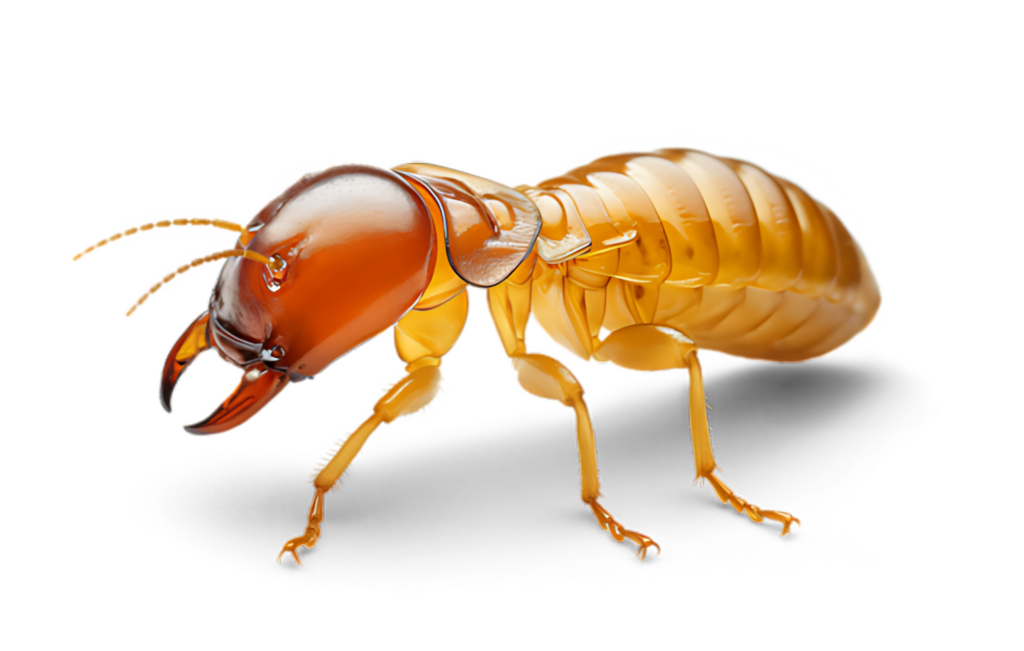

As the Brisbane weather finally begins to cool in April, you might think pest season is behind you. Unfortunately, certain pests prefer the warm, sheltered environment of your home over the great outdoors. Enter the German Cockroach—a tiny, fast-breeding pest that views your kitchen as a five-star winter resort.
What is a German Cockroach?
Unlike the large, dark-brown flying cockroaches that occasionally wander in from the garden, German Cockroaches are small, light brown, and exclusively live indoors. They are masters of hiding and can squeeze into cracks as thin as a credit card.
Why Do They Target Appliances?
German Cockroaches are drawn to three things: warmth, moisture, and food. Your kitchen appliances provide the perfect trifecta.
- Coffee Machines: The internal boiler provides constant warmth and moisture.
- Dishwashers: The motor underneath the unit is warm, and the plumbing provides a steady water supply.
- Fridges and Microwaves: The warm compressors and motors are ideal nesting grounds, safe from human eyes.
The Problem with DIY Sprays
If you spot a German Cockroach and reach for a can of bug spray, you might do more harm than good. Heavy chemical sprays around food preparation areas and inside appliances are a major health hazard. Furthermore, these sprays act as repellents, often pushing the cockroaches deeper into the walls or into other appliances where they are harder to treat.
The Professional McKenna Solution
At McKenna Pest Control, we use our 40+ years of local expertise to handle delicate indoor infestations. Instead of widespread spraying, we use highly targeted, food-safe gel baits. These baits are placed strategically in the hidden corners of your kitchen hinges and appliance bases. The cockroaches consume the bait, take it back to the nest, and the entire colony is eliminated safely and effectively.
Reclaim Your Kitchen Today
Don’t share your morning coffee with uninvited guests.
📞 Call McKenna Pest Control: 07 3376 1377
🌐 Visit us: https://mckennapestcontrol.com.au/
📍 Trusted by Brisbane families since the 1980s.